How IPTV Services Are Changing Digital Streaming Across the Netherlands
Streaming television and on-demand entertainment have become part of daily routines for many in the Netherlands. Over the past decade, Internet Protocol Television, commonly known as IPTV, has made significant inroads, offering viewers a flexible, internet-based way to access live television, movies, and special programs. As traditional cable and satellite subscriptions plateau, Dutch households are increasingly turning to IPTV services for a wider selection and more control over what they watch and when.
Unlike older broadcast methods, IPTV transmits content over internet connections, making it possible to access hundreds of channels and video libraries on devices ranging from smart TVs to smartphones. Dutch viewers now find it easier to customize their viewing experiences, with options such as the IPTV abonnement providing access to both local and international content. This shift highlights a growing trend in how people consume media, driven by convenience and choice.
To understand why IPTV services have gained traction in the Netherlands, it helps to examine the technology’s features, its impact on Dutch households, and how it compares to other popular streaming options. Each of these areas sheds light on why this method of watching TV has become such a fixture in Dutch living rooms.
The Core Features Driving IPTV Adoption
At its heart, IPTV uses broadband internet to deliver television content, bypassing the need for satellite dishes or cable boxes. This approach brings several advantages that appeal to Dutch viewers:
- Vast Channel Selection: IPTV providers typically offer hundreds, sometimes thousands, of channels from around the world, including sports, news, movies, and entertainment.
- On-Demand Viewing: Many IPTV packages include video-on-demand, letting viewers watch movies and TV series at their convenience, not just when they’re broadcast live.
- Multi-Device Support: IPTV services can be streamed on TVs, laptops, tablets, and phones, so users aren’t tied to a single screen.
- Catch-Up and Replay: Missed a favorite show? IPTV often includes catch-up services or replay features, making it easier to stay updated.
- Personalization: Viewers can often create lists of favorites, receive recommendations, or set parental controls, allowing for a more customized experience.
These features address some of the frustrations people have with traditional cable, such as rigid programming schedules and limited content options. The result is a more flexible viewing experience that fits changing routines and preferences.
As IPTV services continue to grow in popularity, questions about the differences between IPTV and other streaming platforms, like Netflix or Disney+, often arise. This leads us to a closer look at how IPTV stacks up against other digital content delivery methods.
IPTV vs. Other Streaming Options: A Comparative Overview
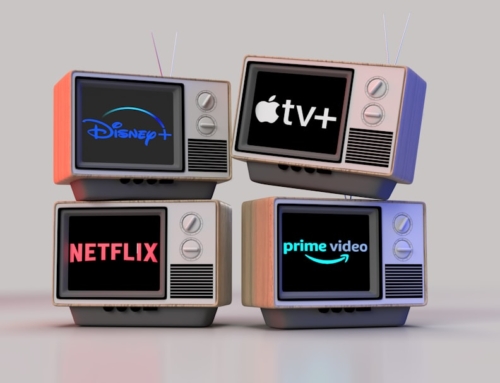
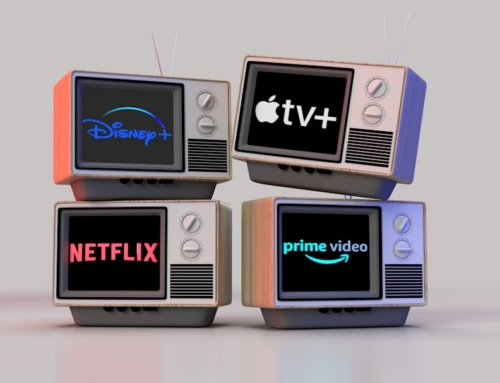
Although both IPTV services and mainstream streaming platforms use the internet for content delivery, they serve slightly different purposes. IPTV is designed to replicate the live television experience, often including access to channels that would otherwise require a cable or satellite subscription. By contrast, platforms like Netflix, Amazon Prime Video, and Disney+ focus on on-demand libraries, with content released for binge-watching or scheduled drops.
Below is a table comparing key aspects of IPTV and other streaming services commonly found in Dutch households:
| Feature | IPTV Services | Streaming Platforms (e.g., Netflix, Disney+) |
|---|---|---|
| Content Type | Live TV, on-demand, international channels | On-demand movies, series, originals |
| Device Flexibility | Smart TVs, set-top boxes, mobile devices | Smart TVs, computers, mobile devices |
| Channel Variety | Hundreds to thousands, including local and foreign channels | Limited to platform’s licensed content |
| Live Sports and News | Available from multiple regions | Rarely included |
| Monthly Cost | Varies, often competitive with cable | Set price per platform |
| Personalization | Favorites, parental controls, recommendations | User profiles, recommendations |
This table highlights that IPTV services provide a broader scope of live and international content, making them attractive to viewers who want access to a wide variety of programs in real time. Meanwhile, streaming platforms excel at original content and binge-worthy series, but typically lack live broadcasts. The differences between these options help explain why many Dutch viewers choose to combine both for a comprehensive entertainment setup. As we consider these choices, it’s also worth discussing how IPTV is affecting daily life across the Netherlands.
Impact on Viewing Habits and Daily Life
The expanding reach of IPTV in the Netherlands is reshaping how people watch television and interact with media. Households are moving away from fixed programming schedules, favoring the flexibility that internet-based TV provides. Families can now watch sports events live, catch up on missed episodes, or browse international channels at their leisure. This adaptability is especially valuable in multi-lingual homes or among expatriates who want to stay connected to news and shows from their home countries.
IPTV subscriptions also empower younger viewers and students, who tend to favor streaming on mobile devices or laptops over traditional TV sets. The ability to watch content on the go, pause live TV, or replay segments is increasingly seen as a standard feature rather than a luxury. For many in the Netherlands, especially in urban areas with reliable broadband, IPTV is now the preferred way to access a diverse television lineup.
As IPTV continues to shape viewing patterns, it also prompts conversations about content security, legality, and platform reliability. These topics are critical for both consumers and service providers operating in the Dutch market.
Content Security, Legality, and Consumer Awareness
With increased choice comes greater responsibility for viewers and providers alike. The Dutch government, along with European regulators, has placed emphasis on legal compliance and copyright protection in the IPTV sector. Not all IPTV providers operate under the same legal frameworks; some services offer access to copyrighted content without appropriate licenses, raising concerns about piracy and intellectual property rights.
Many legitimate IPTV services in the Netherlands adhere to licensing agreements and work with broadcasters to provide authorized access to channels and on-demand content. To avoid legal risks, consumers are advised to research providers carefully, prioritize those with transparent policies, and avoid deals that seem suspiciously low-priced or promise unrestricted access to premium channels for a fraction of their market value.
Industry experts, including the Dutch Foundation for Copyright Protection, suggest checking for clear contact information, reliable payment methods, and positive customer reviews when choosing an IPTV provider. By making informed decisions, Dutch viewers can enjoy the benefits of IPTV while steering clear of legal pitfalls and potential service disruptions.
As the sector continues to mature, regulatory efforts and consumer education are likely to play an even larger role in shaping the IPTV experience in the Netherlands. This brings us to the outlook for IPTV as technology and user expectations continue to shift.
What Lies Ahead for IPTV in the Netherlands
IPTV services have already changed the way Dutch households access entertainment. Looking ahead, continued improvements in broadband infrastructure, combined with smarter devices and evolving viewing preferences, are expected to further expand IPTV’s reach. Providers are likely to invest more in exclusive content, interactive features, and seamless integration with other smart home technologies.
At the same time, ongoing attention to legal compliance and content security will remain significant for both providers and viewers. As more Dutch consumers become aware of the risks associated with unauthorized IPTV services, the market may continue to shift toward well-regulated, reputable providers.
Ultimately, IPTV services have introduced new possibilities for how television is consumed in the Netherlands. As technology advances and viewer demands shift, the sector’s ongoing development will continue to influence entertainment choices and the way people connect with content, both at home and on the move.