Streaming into the Future: IPTV and the Spanish Home
Television has always played a central role in Spanish households. From the days of black-and-white sets to the explosion of satellite and cable, viewers in Spain have continually adapted to new ways of watching their favorite programs. Now, a fresh chapter is unfolding with the rise of IPTV España, a service that brings the world of television directly to viewers through the internet rather than traditional broadcast or cable signals. As more people across Spain look for flexible, on-demand entertainment, IPTV is quickly becoming a preferred choice. This shift is not only changing the way residents consume media, but also influencing the broader entertainment landscape throughout the country.
As the demand for streaming grows, understanding the impact of IPTV on Spanish home entertainment offers valuable insights into changing habits and preferences. This sets the stage for a closer look at what IPTV is, how it operates, and why it is finding such a receptive audience across Spain.
Understanding IPTV: How It Works and Why It Matters
IPTV, short for Internet Protocol Television, delivers television content through internet networks instead of traditional terrestrial, satellite, or cable formats. This means that users can watch live TV, movies, and series on a range of devices, from smart TVs to smartphones and tablets. Unlike cable or satellite, which require specialized hardware and installation, IPTV typically uses existing internet connections, making access easier and more affordable for many households.
One key reason for the surge in popularity is the flexibility IPTV offers. Spanish viewers are no longer bound by rigid broadcast schedules or limited channel bundles. Instead, they can select from an extensive catalog of programming, often including international channels, sports, and on-demand movies. As a result, families can tailor their viewing to suit their individual tastes and schedules.
These advantages illustrate why so many people have turned to IPTV España as a solution for modern entertainment needs. The next section examines the specific features that differentiate IPTV from other streaming services and why these have resonated so strongly with Spanish audiences.
Key Features Driving IPTV’s Popularity in Spain
- On-Demand Content: Viewers can watch shows and movies whenever they choose, pausing or rewinding as needed.
- Multi-Device Access: IPTV platforms allow users to switch between devices without missing a moment, making media consumption more convenient.
- Affordable Pricing: Many IPTV services offer subscription models that are typically less expensive than traditional cable or satellite packages.
- International Channels: For Spain’s multicultural population, IPTV brings access to channels and content from around the world.
- Personalized Recommendations: Advanced algorithms suggest content based on viewing habits, making it easier to discover new favorites.
Beyond these features, IPTV also addresses many of the frustrations viewers have experienced with traditional services, such as long-term contracts and hidden fees. By providing a more transparent and adaptable experience, IPTV providers are attracting a growing audience across Spain. To further illustrate how IPTV stands apart, the following table compares IPTV with other common entertainment options.
Comparison of Home Entertainment Options in Spain
| Feature | Traditional Cable/Satellite | IPTV | OTT Streaming Services |
|---|---|---|---|
| Channel Variety | Limited to package | Extensive, global selection | Limited to provider’s library |
| Device Flexibility | TV only (usually) | TV, smartphone, tablet, computer | TV, smartphone, tablet, computer |
| On-Demand Content | Rare or pay-per-view | Widely available | Core service feature |
| Live TV Access | Yes | Yes | Limited (some providers only) |
| Contract Requirements | Long-term contracts | Monthly subscriptions, no contract | Monthly subscriptions, no contract |
| Cost | Higher, plus extra fees | Lower, transparent pricing | Varies, often per service |
| International Content | Limited | Extensive | Limited to service region |
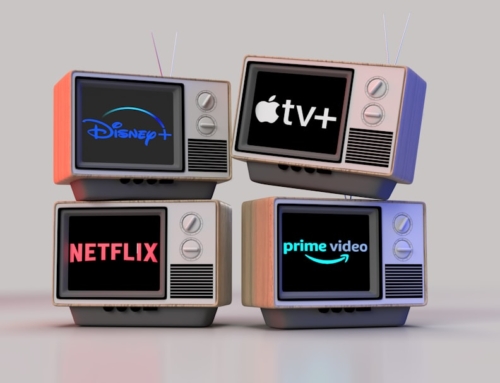
This table highlights the key distinctions between IPTV, traditional cable, and streaming platforms. While OTT (over-the-top) services like Netflix and Amazon Prime focus mainly on on-demand libraries, IPTV combines live television, on-demand content, and international channels, offering a wider range of options for Spanish households. These differences help explain the growing preference for IPTV, especially for families interested in both local and global programming. As IPTV becomes more widespread, its economic and cultural impact in Spain is becoming increasingly apparent.
The Economic and Cultural Impact of IPTV in Spain
Growth in IPTV subscriptions has generated significant changes in both the entertainment market and Spanish culture. More homes are opting for internet-based television, which has led to a shift in how content is produced, licensed, and distributed. Traditional broadcasters are adapting by offering their own streaming services or partnering with IPTV providers. At the same time, new players are entering the market, increasing competition and driving innovation.
The economic impact can be seen in the creation of new jobs related to app development, customer support, and content curation. Spanish production companies are also finding new opportunities to reach global audiences through IPTV networks, which often feature local programming alongside international hits. According to a report from the Comisión Nacional de los Mercados y la Competencia, IPTV subscriptions in Spain have steadily increased over the past five years, reflecting this growing influence.
Culturally, IPTV has contributed to greater exposure to international content. Viewers now have access to programming from Europe, the Americas, Asia, and beyond, which is enriching cultural understanding and broadening perspectives. For example, a family in Madrid can easily watch a soccer match from the United Kingdom, a Turkish drama, or a documentary from South America, all from the same platform.
While these developments are reshaping the entertainment sector, they also bring new challenges and responsibilities for both providers and consumers. With more choices available, viewers must navigate questions around quality, legality, and digital literacy. This leads to a closer look at some of the concerns and considerations associated with IPTV usage in Spain.
Challenges and Considerations: Quality, Legality, and User Experience
As IPTV grows in popularity, several issues have surfaced that affect both service providers and consumers. One primary concern is service quality. Because IPTV depends on a stable and fast internet connection, users in areas with slower connections may experience buffering or interruptions. This has prompted many providers to invest in better infrastructure and customer support to maintain a high level of service.
Legality is another topic often discussed in relation to IPTV. Not all services operate with the proper licenses, and some offer unauthorized access to copyrighted content. Spanish authorities have increased efforts to crack down on illegal IPTV providers, and consumers are encouraged to choose reputable platforms that comply with local regulations. Awareness of these issues is growing, and many users are making more informed decisions about where they get their entertainment.
User experience is also a differentiator between providers. Factors like intuitive interfaces, reliable customer service, and a wide range of compatible devices can influence which IPTV service a household chooses. As competition heats up, the focus is shifting to platforms that balance affordability, legality, and ease of use. For those interested in exploring their options, platforms such as IPTV España have become valuable resources for comparing features and finding suitable services.
With these considerations in mind, the next section explores how Spanish families are integrating IPTV into their daily routines, and what the future may hold for home entertainment across the country.
How Spanish Families Are Using IPTV: Real-World Examples
IPTV is finding a place in a range of Spanish households, from large families to single professionals. For many, the convenience of watching favorite shows on any device, whether in the living room or on the go, is a major selling point. Parents appreciate the ability to set parental controls and customize channel lineups to suit the needs of children, while sports fans can catch live events that may not be available on traditional channels.
Take the example of the García family in Seville. They use IPTV to stream educational content for their children during the day and international news at night. Meanwhile, Ana, a young professional in Barcelona, prefers IPTV’s flexible subscription model which allows her to pause or change her plan as her schedule changes. These real-life scenarios demonstrate how IPTV fits into the varied lifestyles of Spanish viewers, offering convenience and control that traditional TV often lacks.
The adaptability and broad appeal of IPTV suggest that its influence will continue to grow. As technology advances and more households upgrade their internet connections, IPTV is likely to become an even more integral part of home entertainment in Spain. The following section looks ahead to the future of IPTV and how it may continue to shape the way viewers across Spain connect with the world of television.
The Road Ahead: IPTV’s Role in the Future of Spanish Entertainment
Looking forward, IPTV is well-positioned to remain a centerpiece of Spanish home entertainment. As internet infrastructure continues to improve, even more households will be able to enjoy high-definition streaming, interactive features, and a wider range of content. Innovations such as cloud-based recording, integrated voice control, and enhanced recommendations are already making their way into IPTV platforms, further improving user experiences.
Industry analysts predict that the Spanish market will see continued growth in IPTV subscriptions, with both established broadcasters and new entrants competing to offer the best mix of quality, value, and content. The integration of Spanish-language programming with international shows is fostering a more connected and culturally rich viewing environment. This ongoing evolution is likely to shape not only what people watch, but also how they interact with media and one another in the years to come.
As IPTV continues to redefine home entertainment across Spain, viewers and providers alike will need to stay informed, adaptable, and mindful of the choices available. By making use of reputable platforms and embracing the flexibility IPTV offers, Spanish households are poised to enjoy a new era of television that is more personalized, interactive, and globally connected than ever before.