Streaming Without Limits: Unlocking Global Content with VPNs
What a VPN really does for streaming: encrypted connections, privacy on public Wi-Fi, steadier playback on some networks, and why catalogues differ by country.
Anyone who has opened a streaming app abroad has probably noticed that the catalogue looks different. A series available at home may be missing, while unfamiliar titles appear in its place. Behind that change sits a patchwork of licensing deals, and it is one of the reasons Virtual Private Networks have become a common tool among people who stream a lot. Understanding what a VPN does, and what it does not do, helps you use one sensibly.
Why catalogues change from country to country
Film studios and broadcasters usually sell rights territory by territory. A streaming platform might hold the rights to a show in one country while a local broadcaster holds them in another. The platform therefore shows each region only the titles it is licensed to offer there. This is a business arrangement rather than a technical limit, and each service sets out in its terms how it handles viewers who travel.
What a VPN actually does
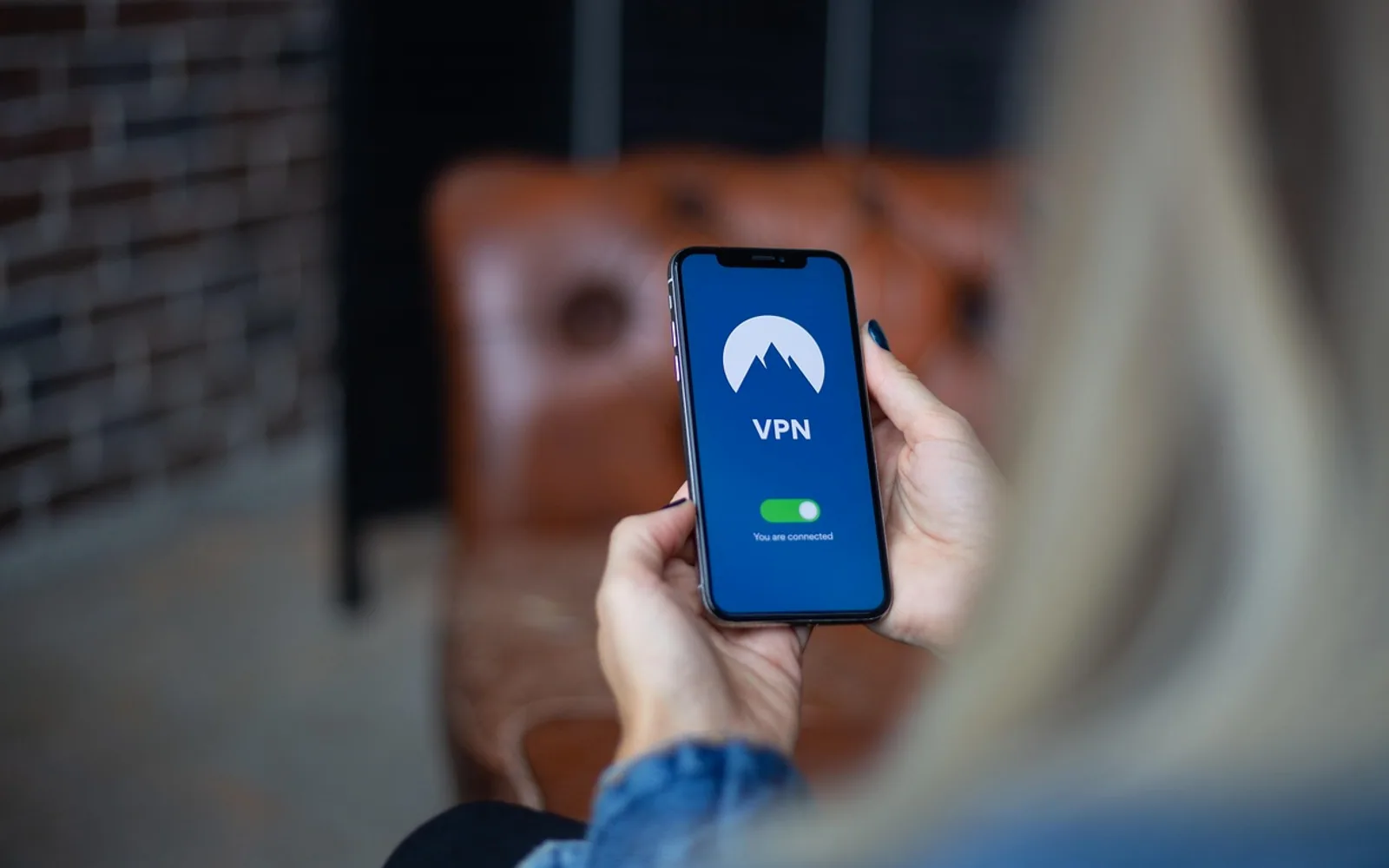
Once connected, your phone or laptop scrambles its outgoing data and routes it through a distant machine belonging to the VPN firm. Websites and apps see the address of that server instead of your own, and anyone sharing your local network, such as other guests on hotel Wi-Fi, cannot read the traffic passing through the tunnel. A good VPN wraps all of this into a simple app with a connect button and a list of server locations, which is why many people now keep one running on their phones and laptops as a matter of routine.
Practical benefits for viewers
- Privacy on public networks. Streaming or signing in on airport, café or hotel Wi-Fi is safer when traffic is encrypted.
- Using your own subscriptions while travelling. Some services allow members to keep watching their home library abroad, and a VPN can help keep the connection stable and private while doing so.
- Avoiding certain kinds of throttling. On some networks, encrypted traffic is harder to single out and slow down, which can make playback smoother.
- Fewer prying eyes. Your internet provider sees that you are connected to a VPN but not which programmes you are watching.
Choosing a VPN for streaming
Streaming places particular demands on a VPN, so a few features deserve attention:
- Fast servers in the regions you actually use, since every hop adds a little delay.
- Apps for the devices you watch on, including smart TVs and streaming sticks where possible.
- A clear privacy policy explaining what, if anything, is logged.
- Modern protocols that balance speed with strong encryption.
- Responsive support if a connection misbehaves.
Expect some speed loss compared with a direct connection; choosing a nearby server usually keeps it small.
Respecting the terms of each service
In most countries VPN use itself is permitted, but streaming platforms set their own conditions for how and where their libraries may be watched. Read the terms of the services you subscribe to, respect the licensing behind the programmes you enjoy, and support the official platforms that fund the shows. Used that way, a VPN is mainly a privacy and security tool that also makes streaming on the move more comfortable.