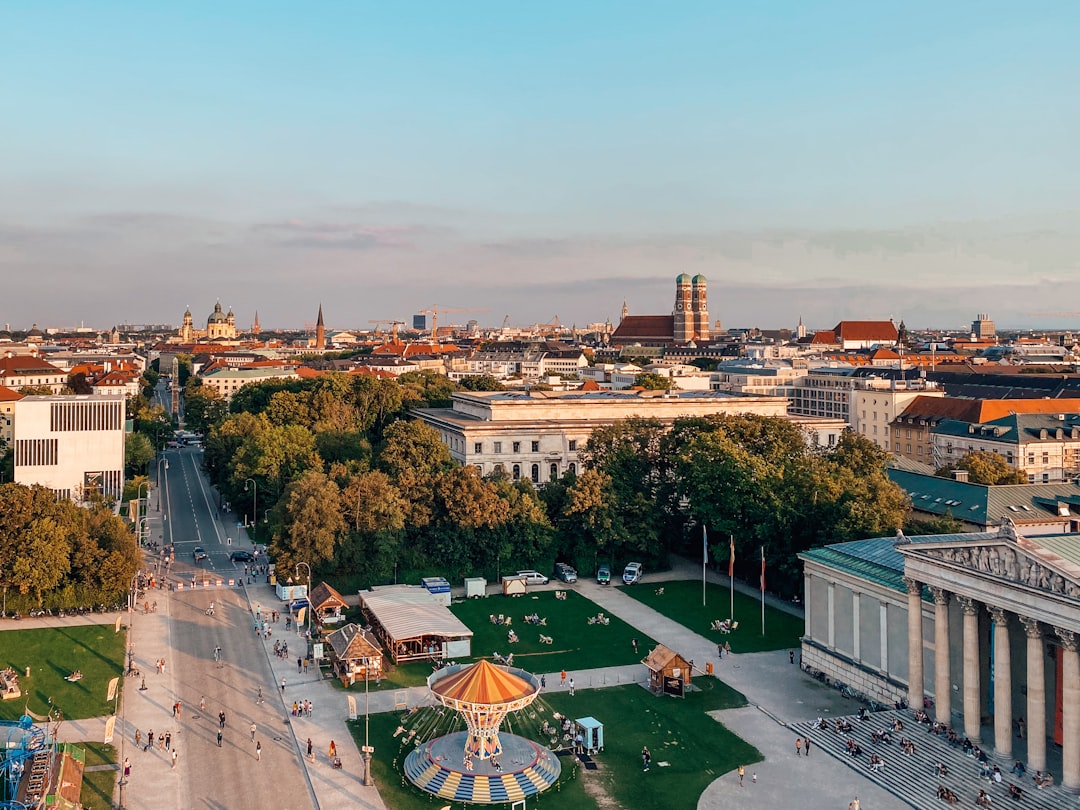
Moving to Munich, Germany can be an exciting step, whether we are relocating for work, study, or a fresh start in one of Europe’s most liveable cities. Munich combines strong career opportunities, excellent public transport, and a high quality of life with a housing market that is famously competitive and a cost of living that can surprise newcomers. That means a successful move is about more than packing boxes; it is about planning, timing, and understanding how daily life works in Bavaria’s capital. With the right preparation, moving to Munich becomes far less stressful and much more manageable.
1. Start with housing and the right neighbourhood
For most people, the biggest challenge when moving to Munich is finding a suitable apartment. Demand is high, especially in central areas, so it helps to begin the search as early as possible. Popular districts such as Schwabing, Maxvorstadt, Haidhausen, and Glockenbachviertel offer a lively atmosphere and short commutes, while areas like Sendling, Pasing, and Moosach can provide a more residential feel and sometimes slightly better value. If we are moving with a family, it is worth looking at access to parks, schools, and transport connections as well as the size of the apartment.
When comparing listings, we should pay attention to whether the rent is listed as Kaltmiete or Warmmiete. The first excludes utilities, while the second often includes heating and water. In Munich, deposits are commonly equal to up to three months’ cold rent, so it is wise to budget carefully. It also helps to prepare a complete application folder with proof of income, a copy of our ID, and, if available, a Schufa credit report. Landlords often choose quickly, so a well-organised application can make a real difference.
If we want a smoother physical relocation, hiring a local moving company can save time and reduce stress, especially for large furniture or long-distance moves. A service such as Umzugsunternehmen im Raum München can be particularly useful when we need support with transport, loading, or navigating the logistics of a city move.
Neighbourhood choice matters
It is not only about rent. We should think about commuting time, tram or U-Bahn access, grocery stores, and the overall lifestyle each district offers. A central apartment may be convenient, but a quieter area with excellent transport links may provide a better balance between cost and comfort.
2. Handle registration and paperwork early
Germany is known for its administrative rules, and Munich is no exception. One of the most important steps after moving is registering our address, known as Anmeldung. This usually needs to be completed within a short period after moving in, and it is essential for many other tasks, including opening a bank account, receiving tax documents, and dealing with public offices. To register, we typically need a landlord confirmation, proof of identity, and the relevant appointment at the local authorities.
Depending on our nationality and purpose of stay, we may also need to handle residence permits, health insurance confirmation, and tax registration. It is a good idea to keep digital and paper copies of important documents in one place. That way, when a German office asks for proof of address or insurance, we are not scrambling to find paperwork at the last minute.
- Book registration appointments as early as possible.
- Keep a folder with passport, rental contract, and landlord confirmation.
- Check whether we need a residence permit or visa extension.
- Make sure health insurance coverage is active from day one.
Do not underestimate deadlines
Missing a registration deadline can create unnecessary problems later, especially when applying for utilities, internet, or employment-related documents. Treat the first few weeks after arrival as a setup period and prioritise the administrative steps before focusing on decoration or furnishing.
3. Learn how to get around Munich efficiently
One of Munich’s biggest advantages is its strong transport network. The U-Bahn, S-Bahn, trams, and buses make it possible to live comfortably without a car in many parts of the city. For newcomers, understanding the system early makes day-to-day life much easier. We should look into monthly tickets, job-related transport benefits, or student options if applicable. The MVV network is generally reliable, and many residents cycle during warmer months as well.
When moving to Munich, it helps to plan the route from our new home to work, the city centre, and key places such as the supermarket, pharmacy, and nearest clinic. That practical knowledge saves time and reduces stress in the first weeks. If we have a car, we should also check parking rules carefully, because residential parking zones and limited street parking can become frustrating in central areas.
- Download the local transport app and check routes before your first commute.
- Buy the right ticket type for your daily travel pattern.
- Learn the nearest stations, night transport options, and bicycle routes.
- Keep a backup plan for delayed services or weather-related disruptions.
Language basics help more than we think
While many people in Munich speak English, even a basic knowledge of German makes everyday tasks easier. Simple phrases at the bakery, train station, or in a rental office can create a smoother experience and show respect for local culture. Over time, that small effort helps us feel more settled and confident.
4. Budget realistically and settle in step by step
Munich is often ranked among the most expensive cities in Germany, so a realistic budget is essential. Rent will likely be our largest monthly expense, but we should also factor in utilities, internet, insurance, transport, furnishings, and the cost of eating out or socialising. New arrivals often spend more during the first months because they need basic furniture, kitchen items, and household essentials. Creating a relocation budget before the move helps avoid surprises.
It is also worth preparing for the pace of the city. Munich can feel polished, efficient, and businesslike, but it also offers a strong sense of community once we begin to explore. Local markets, beer gardens, riverside paths, museums, and weekend trips to the Bavarian countryside can all help us feel at home faster. Instead of trying to organise everything at once, we should settle in gradually and build routines that make the city feel familiar.
- Set aside extra funds for deposits and first-time household purchases.
- Expect higher costs in central neighbourhoods and for short-notice rentals.
- Explore discount supermarkets and local markets to manage food expenses.
- Give ourselves time to adapt to the city’s rhythm and social habits.
Make the first month simple
In the beginning, we do not need a perfect home or a packed calendar. It is enough to complete the essentials, establish a routine, and learn where we shop, commute, and relax. Once those basics are in place, Munich becomes much easier to enjoy.
Moving to Munich, Germany is easier when we treat it as a series of small, well-planned steps rather than one overwhelming project. By focusing on housing, paperwork, transport, and budgeting, we can avoid common mistakes and settle in more quickly. Munich rewards preparation: the more organised we are before and after the move, the sooner we can enjoy everything the city has to offer, from efficient infrastructure to vibrant neighbourhoods and Bavarian charm.
Here’s one that we can recommend:
Paultrans Umzüge | Umzugsunternehmen München
Stuttgarter Str. 8, 80807 München, Deutschland
089 21548164
Link: https://maps.google.com/?cid=6074999007612103432
Wer in München einen stressfreien Umzug plant, ist bei Paultrans Umzüge gut aufgehoben – das Umzugsunternehmen in München übernimmt Privat- und Firmenumzüge inkl. Verpackung, Möbelmontage und Halteverbotszone.
Directions: