The Role of Art Outsourcing in Meeting Tight Deadlines for AAA Game Releases
How outside art teams fit into a big-budget game schedule, from pre-production to final polish, and what studios do to keep quality consistent under pressure.
A big-budget game is often announced long before its art is finished. Trailers set expectations, release windows get locked to marketing plans and platform holders, and the volume of characters, props, environments and effects still to be made can be enormous. Few studios keep enough artists on staff to absorb those peaks alone, so outside art studios now play a routine role in getting large releases out of the door.
Where outsourcing fits in the production calendar
The work does not arrive evenly. Each phase of development asks for something different from an outside team:
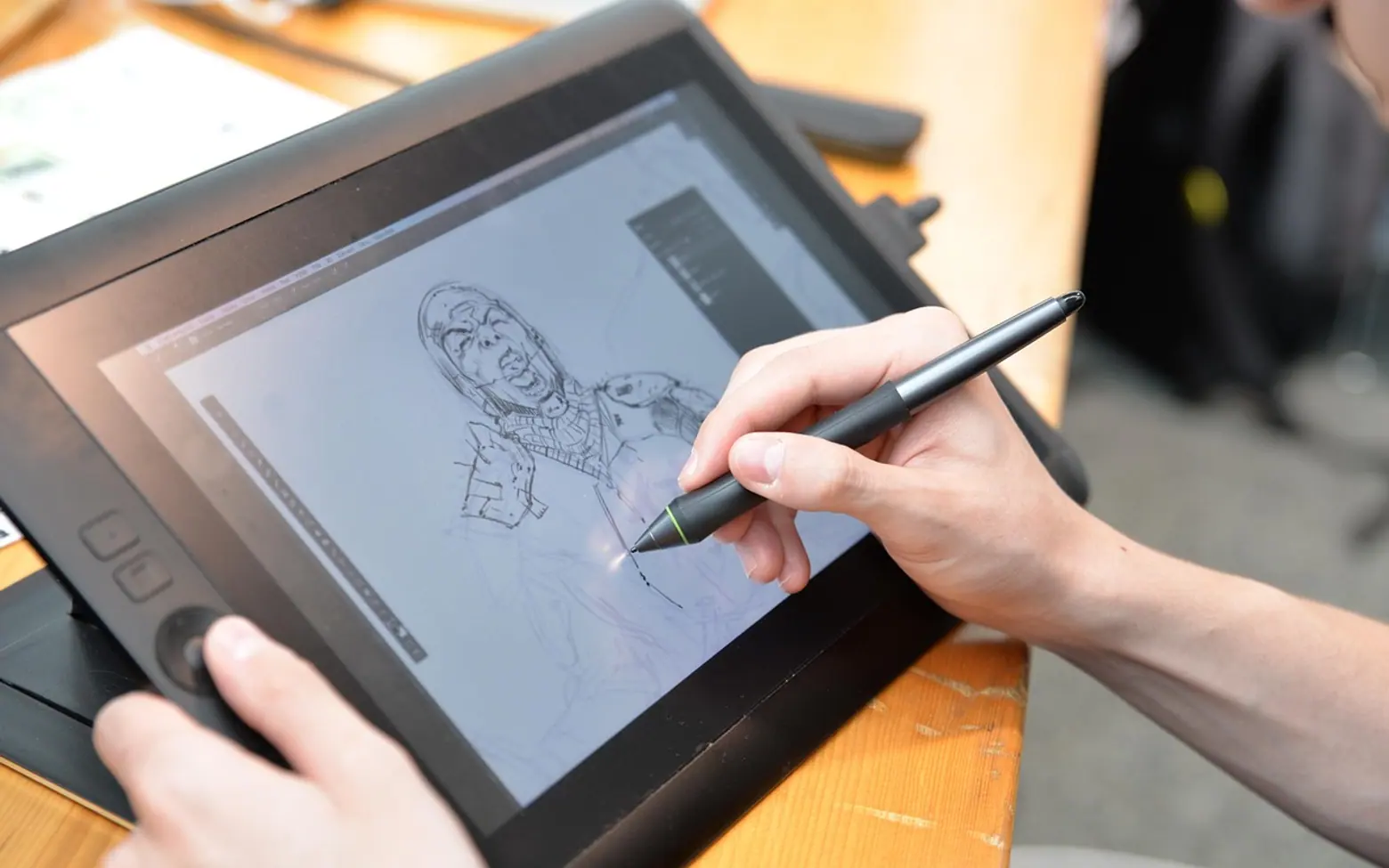
- Pre-production: concept exploration, mood boards and early style tests, where extra hands help a studio try more ideas quickly.
- Full production: the heavy lift of 3D models, textures, rigging and environment kits, where volume matters most.
- Content lock and polish: variations, cosmetic items, lighting passes and fixes that pile up near launch.
- Post-launch: seasonal content and expansions that must ship while the core team plans the next project.
Bringing in partners at the right point lets the in-house team concentrate on hero assets, art direction and the features that define the game.
Speed through parallel work
Most of the time saved comes from parallel tracks rather than a single queue. While internal artists finalise a main character, an external team can build background props, foliage sets or weapon variants. Studios working across time zones sometimes find that assets reviewed in the evening come back revised by the next morning. That rhythm compresses calendars without asking the core team to work endless overtime.
Specialist studios such as those offering AAA game art outsourcing are built for exactly this kind of collaboration, providing experienced artists who can slot into an existing pipeline and deliver production-ready assets at the volume a large release demands.
Keeping quality consistent
Speed only helps if the results look like they belong in the same game. Studios that work well with partners tend to invest early in a few things:
- A clear style bible containing reference sheets, palette rules and signed-off sample assets.
- Technical specifications for polygon budgets, texture sizes and naming conventions.
- A pilot task before scaling up, so both sides agree on expectations.
- Regular review sessions with direct feedback from the art director.
Shared tools for version control and task tracking keep everyone working from the same files and reduce the risk of outdated assets slipping into a build.
The business side of the decision
Outsourcing also changes how a studio manages risk. Instead of hiring permanently for a temporary peak, it can scale capacity up and down with the project. That flexibility protects both budgets and long-term team stability. The trade-off is that communication becomes part of the job: clear briefs, quick answers and respect for the partner's expertise make the difference between a smooth collaboration and a stressful one.
Handled well, external art support does more than rescue a deadline. It gives large productions room to aim higher on visual ambition while still shipping on the date players have been waiting for.